At some point in our lives, the majority of us have probably thought about combining our love of muscle building with earning money. Well, you can make this dream come true if you are sincere.
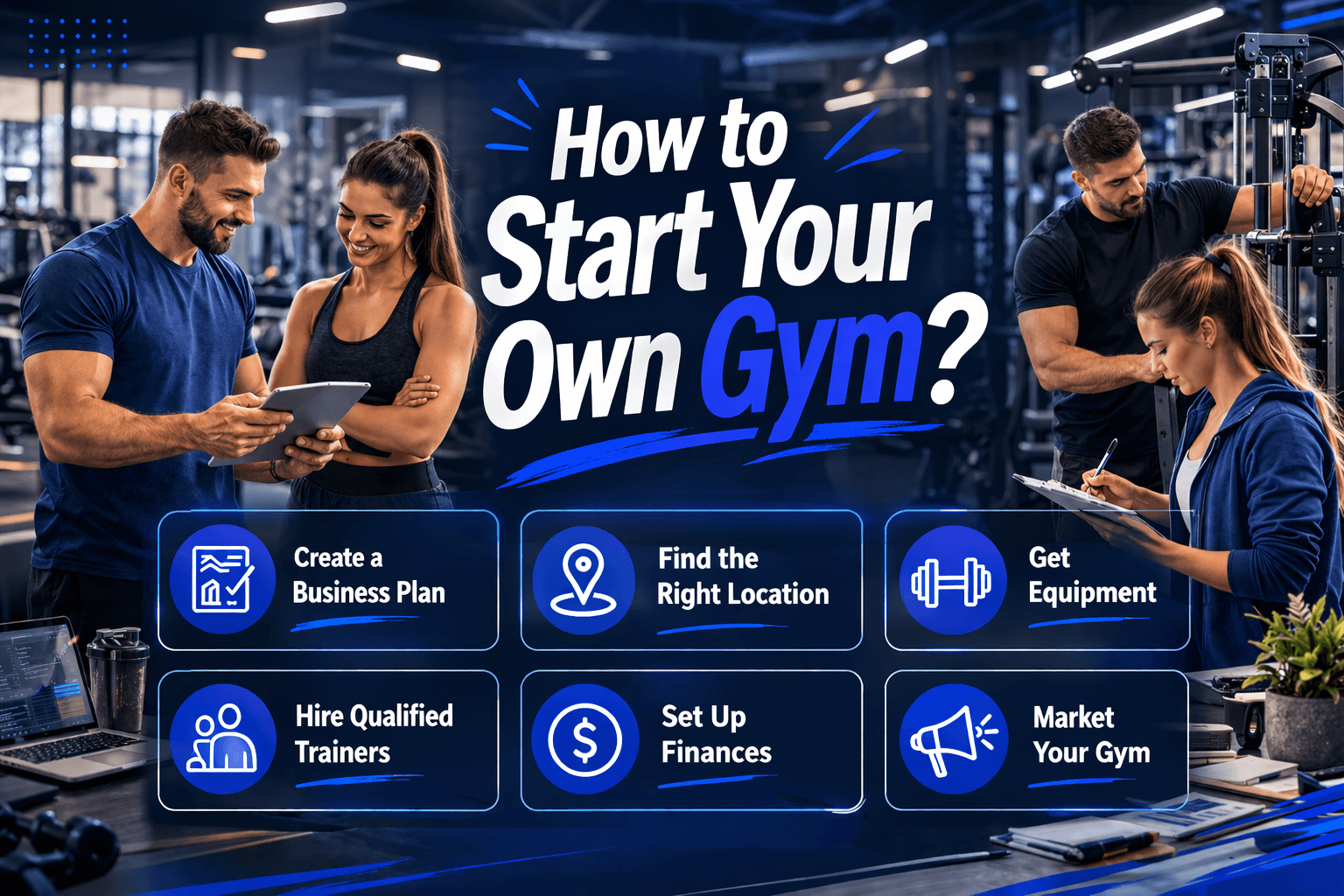
Yes, it is feasible, and we will discuss it in today's blog. You will receive comprehensive information on how to start, run, and expand your own gym, from starting from scratch to creating a royal empire.
Step-by-Step Gym Startup Guide
Starting your own gym is a multi-step process, and unless you start with the baby steps on the preliminary stairs, you cannot expect to reach the top and earn the title of BEST GYM IN THE TOWN.
1. Clarify your niche and vision
First and foremost, decide who you want to serve and be clear about your vision. Are serious athletes, working professionals, families, or senior citizens your target audience? Because the equipment, services, and design of your gym will all be influenced by these target markets.
Think Like a Business Owner Instead of Just a Fitness Freak
Many gyms fail due to a lack of organized operations rather than subpar workouts.
The foundation of a successful gym is:
- Defined Procedures
- Regular Monitoring of Members
- Coordinated Invoicing and Renewals
- Robust Systems for Retention
This kind of thinking is what distinguishes successful fitness companies from recreational gyms.
2. Analyze Market Demand
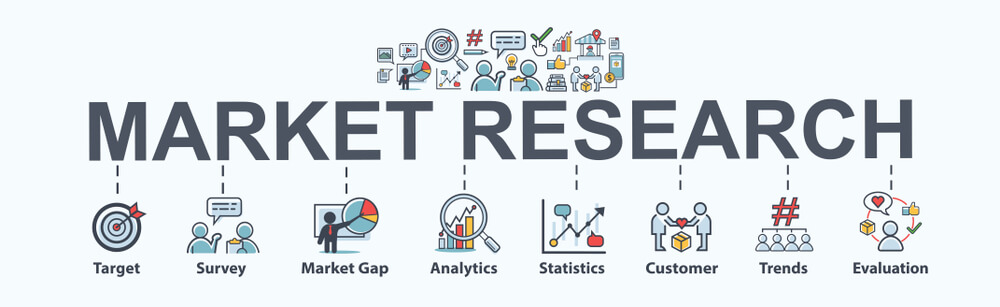
Begin by analyzing the gyms already operating in your area. Pay close attention to their strengths and weaknesses, membership fees, packages, and overall offerings. This research will help you better understand market potential and uncover gaps that you can capitalize on to gain a competitive edge.
Focus on evaluating:
- Membership Pricing
- Quality of Equipment
- Trainer Qualifications and Experience
- Services and Programs Offered
You can strategically position your gym and successfully address unmet customer needs by conducting a thorough market analysis.
Crucial Data Every New Gym Owner Needs to Monitor
From day one, you have to keep a check on:
- Active and Inactive Gym Members
- Monthly Income & Outstanding Payments
- Attendance Patterns
- Utilization of Trainer Sessions
- Dropouts and Renewals of Membership
Revenue leakage is inevitable if these figures are not monitored. Instead of using manual registers, modern gyms rely on automation.
3. Build a Detailed Business Plan

It's time to document your findings; this will serve as a blueprint for launching and managing your gym. Your business plan is your roadmap, guiding every step of the process. It should include the following key sections:
- Executive Summary: Summarize your business idea, mission, vision, and goals.
- Market Analysis: Present insights from your research, including market demand, competitors, opportunities, and potential challenges.
- Services & Packages: Detail all offerings, including membership plans, PT, group classes, and other services.
- Marketing Strategy: Outline how you will attract new members and retain existing ones.
- Operational Plan: Describe daily operations, staffing, management structure, workflows, and systems.
A well-structured business plan positions your gym for success, offering a clear roadmap for growth and smooth daily operations.
4. Financial Planning & Funding
Starting a gym requires significant capital. Costs may include leasing or purchasing a location, renovating the space, buying equipment, and initial marketing efforts.
Key expenses for a gym startup include:
- Location Leasing or Purchase
- Interior Setup and Renovations
- Equipment and Supplies
- Initial Marketing and Promotions
To fund your gym, consider options such as small business loans, investors, partnerships, or crowdfunding. Turning your dream into reality may require more funds than you initially expect, so planning your finances carefully is essential.
5. Pick the Right Location
No matter how modern your gym is, with top-notch equipment and facilities, it won't succeed if it's in an inconvenient or isolated area. Accessibility is key, as members are unlikely to travel long distances to join a gym.
When selecting a location, consider:
- High foot traffic: A visible, busy area attracts more members.
- Parking availability: Convenient parking makes visits easier.
- Public transport access: Easy transit options encourage more people to join.
Even the best gym can struggle if it's hard to reach. Choosing the right location is one of the most important decisions for your gym's success.
6. Gym Layout & Equipment
Create a layout that maximizes available space while guaranteeing your members' safety and comfort. Key areas to plan include:
- Cardio Zone
- Strength Training Area
- Functional Training Space
- Group Class Studios
- Reception and Locker Rooms
After planning the layout, focus on the heart of the gym, the equipment. Always invest in durable, high-quality machines and tools. Depending on your budget, you can select either new or used items, but quality should never be sacrificed.
A well-thought-out layout combined with dependable equipment guarantees a seamless operation, improves member satisfaction, and fosters long-term success.
7. Establish a team
While you may be able to handle some tasks yourself, running a gym requires a skilled and qualified team to manage key areas and provide a seamless experience for members.
Key roles to hire include:
- Certified instructors: For group instruction and individual training.
- Front-desk executives: To manage memberships, inquiries, and member assistance.
- Floor supervisors: To oversee daily operations and ensure safety.
Ensure all staff are trained in customer service, gym operations, and safety protocols. Providing comprehensive training will help maintain a professional and efficient environment for your members.
8. Build Your Marketing Strategy
Creating a strong brand is the first step. Your gym name, logo, tagline, and slogan should be memorable, attractive, and aligned with your mission and vision to resonate with fitness enthusiasts.
Next, establish a solid online presence:
- Website: Showcase classes, membership plans, and contact details.
- Social Media: Share engaging content such as fitness tips, success stories, and promotions.
- Google Listing: Ensure that prospective members can easily locate you online.
Marketing extends beyond the digital space. Effective strategies include:
- Local Partnerships: Collaborate with nearby businesses.
- Community Events: Participate in fitness and health initiatives.
- Referral Programs: Encourage members to bring friends and family in exchange for discounts.
Walk-ins and inquiries followed up within five minutes can be up to 9× more likely to convert into members.
Key Marketing Elements: Brand Identity: Gym name, logo, tagline | Online Presence: Website, social media, Google listing | Member Engagement: Partnerships, events, referral programs
Marketing is a continuous process rather than a one-time event. Consistent efforts help grow your gym's member base, strengthen your brand, and ensure long-term success.
Why Do Gyms Lose Members Within the First 90 Days?
Nearly half of all fitness club members discontinue their memberships within the first six months, making long-term member engagement one of the greatest challenges facing new gym owners. Many gyms experience member attrition due to:
- Absence of Follow-ups
- Unfulfilled Renewals
- Inability to Monitor Progress
- Inadequate Trainer Responsibility
Reminders, communication, and early engagement are all essential for retention.
9. Complete Legal Formalities and Launch
Before opening your gym, it's essential to fulfill all legal requirements. In India, these may include business registration, trade licenses, and necessary approvals from local authorities. Maintaining legal compliance promotes seamless, long-term operations and helps prevent problems.
Key legal requirements:
- Business registration: Register your gym as a legal entity.
- Trade license: Obtain permission to operate your business.
- Fire & Safety NOC: Ensure your facility meets safety standards.
- Local authority approvals: Comply with municipal regulations.
Meeting all legal formalities sets the foundation for a safe, compliant, and successful gym operation.
10. Targeted Member Retention
Attracting members to your gym is only the first step; retaining them and building loyalty is even more important, especially since acquiring a new member can cost 5–9× more than retaining an existing one.
To improve retention:
- Engage with members regularly: Understand their needs and preferences.
- Make members feel valued: Acknowledge successes and turning points.
- Track progress: Help members monitor their fitness journey.
- Resolve issues promptly: Resolve issues in a timely and professional manner.
Proper onboarding and early engagement matter; studies show that 87% of fully onboarded members remain active after six months. Attracting members is hard; retaining them is harder. By fostering a supportive and responsive environment, you ensure long-term loyalty and satisfaction.
Scale Like Leading Gym Chains with Gym Management Software
At this point, technology becomes indispensable.
Professional gym management software facilitates the following tasks:
- Packages & Memberships
- Automated Invoicing and Renewals
- Tracking Attendance
- Monitoring Trainer Sessions
- WhatsApp promotions and reminders, leveraging open rates of up to 98% compared to roughly 21% for email
- Real-time Analytics and Reports
Easy Gym Software reduces manual labor and boosts productivity by acting as a central control system, while Easy AI provides 24/7 multilingual support in Hindi, Punjabi, Tamil, Malayalam, Kannada, Arabic, English, and more.
How Technology Differentiates Profitable Gyms from Average Gyms?
Even though two gyms have the same trainers and equipment, the one that uses automation expands more quickly.
Technology makes it possible:
- Increased Persistence
- Quicker Collection of Payments
- Improved Accountability for Trainers
- Robust Brand Recognition
- Simple Expansion to Multiple Branches
Automation increases efficiency rather than eliminating effort, helping gyms achieve up to 72% fewer pending dues and 80% less manual work.
11. Use Gym Management Software
As of right now, your gym is set up and running. However, don't forget to incorporate the newest technology to manage it as effectively as possible, just like the well-known gym chains in India.
Incorporate gym management software, a digital tool primarily intended to streamline gym operations and improve the experience for both members and staff in one go. Modern solutions also offer Smart Biometric features that automatically pause access when memberships expire and reactivate access instantly after payment.
12. Embrace Innovation and Adaptability
Keeping up with the latest fitness trends and innovations is essential for a successful gym. Adjust your services and offerings to match changing member expectations and deliver an exceptional experience.
Continuously assess your gym's performance and identify areas for improvement. This might include:
- Expanding services: Introduce new classes, personal training, or wellness programs.
- Upgrading equipment: Maintain modern, safe, and durable machines.
- Enhancing member experience: Focus on engagement, feedback, and satisfaction.
Key areas to focus on: Fitness trends | Member expectations | Equipment upgrades | Service expansion
Continuous evaluation and optimization help your gym stay competitive and meet the changing needs of your members.
Takeaway: Why Is Easy Gym Software Essential?
Starting a gym requires passion, but sustaining long-term success depends on strong systems, discipline, and efficient management, made possible with Easy AI-powered gym software.
Gyms that offer both:
- Effective Coaching
- Engagement of Members
- Automated Gym Operations
- Leverage Data to Drive Decisions
Out perform others at all times.
Gym owners can develop, run, and grow their fitness businesses professionally with the help of Easy Gym Software. Backed by 6,000+ gyms in 26+ countries, Easy Gym Software enables gym owners to streamline operations, grow their fitness business, and manage everything professionally starting at ₹799.
Book a free 15-minute demo or connect with us on WhatsApp to see how Easy Gym Software can help you launch and scale your gym.